Painting in Carlsbad, CA
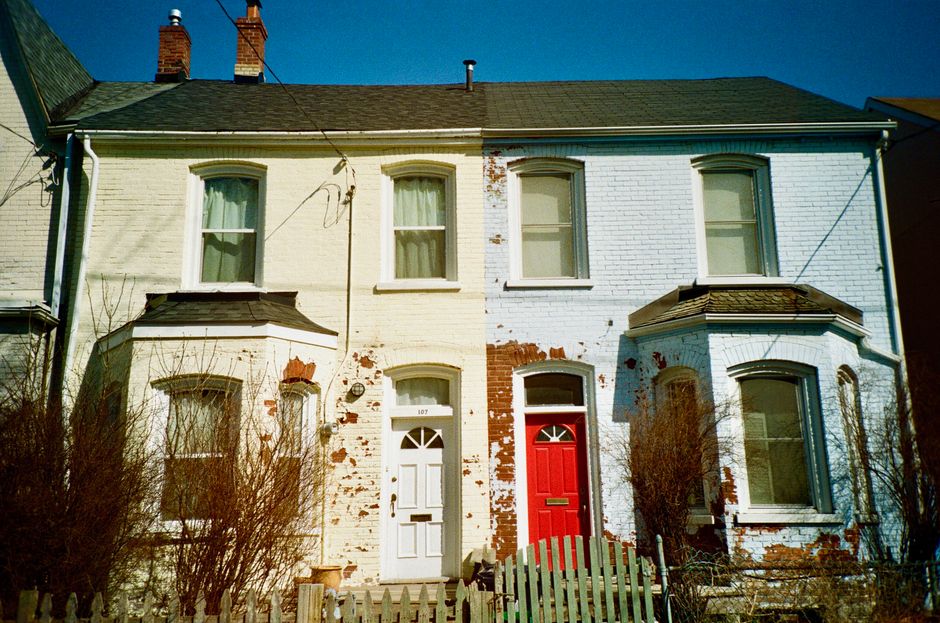
Notes from a painting crew in Carlsbad, CA on keeping exterior paint in good shape between repaints, from washing and touch-ups to caulk and colour records.
What We Cover
- How Long Exterior Paint Lasts Near the Coast Versus Inland in Carlsbad Why a house by Carlsbad State Beach and one in the La Costa or Bressi Ranch hills wear their paint at different speeds.
- Keeping a Paint Record for Your Carlsbad House What colour names, sheen, product and dates to write down after each paint job so later touch-ups and repaints are simple.
- Renewing Caulk and Sealant Around Windows and Trim in Carlsbad How old caulk cracks, pulls away and lets in winter rain, and how it gets cut out and replaced on older Carlsbad houses.
- Touch-Up Technique and Matching Weathered Paint in Carlsbad Why a fresh dab never matches sun-faded paint on a Carlsbad house and how crews blend a repair so it disappears.
- Washing Exterior Walls Before Painting in Carlsbad How marine film, dust and mildew get cleaned off stucco and siding so touch-up and repaint coats actually bond.
- A Yearly Paint Inspection Walk Around a Carlsbad House What to look at on stucco, trim and eaves each year so small paint failures get caught before a full repaint is needed.
Painting in Carlsbad, CA
A paint job in Carlsbad, CA is judged less by the day it finishes than by how the walls look three winters later. San Diego County weather is mild, but it is not gentle on a finish. Salt in the summer fog, hours of low sun on the south walls and a short rainy season all work on the same coat, and the crew plans the work around them.
What the crew looks at first
Before any can is opened, the walls get a hand test. Thumb across the stucco for chalk, a putty knife along the trim for soft wood, a fingernail into the caulk at every window. Houses near Agua Hedionda Lagoon and Carlsbad State Beach tend to show mildew and tired trim. Houses in Aviara, La Costa and Bressi Ranch tend to show fading and hairline cracks.
Older houses and newer ones
The 1950s cottages and bungalows in Olde Carlsbad and the Barrio have wood siding and wood trim that has been painted many times, so the layers matter as much as the colour. The 1960s ranch homes around Calavera Hills have long eaves that catch weather from below. The newer master-planned neighbourhoods in the southeast have stucco that is still settling, and that is where small cracks and open joints appear early.
Upkeep between repaints
Most of the work that keeps paint alive happens between jobs. A wash before the rainy months, a fresh bead of caulk where the old one has shrunk, a careful touch-up on a chipped sill and a note of which colour went where all cost a fraction of an early repaint. The crew keeps records of colours, sheens and dates so that a repair years later can be matched without guesswork.
Guides
The pages here cover the yearly walk around a house, washing walls before work, touch-up technique on faded paint, renewing caulk and sealant, how long finishes last by the coast and inland, and how to keep a paint record. The articles go deeper on timing, materials and the problems that show up around Carlsbad.
Latest Guides

Looking After Painted Interior Walls Between Repaints in Carlsbad
Interior paint gets far less weather than exterior paint, yet inside a Carlsbad house it still wears out unevenly. The hallway by the front door scuffs, the kitchen wall behind the stove yellows, and the bathroom ceiling grows spots after a few winters. A painter coming back to a house usually finds the same handful of problems, and most of them were avoidable with a damp cloth and a little patience. This article covers how to look after painted walls between repaints, what to use, what to avoid, and how to tell a stain that cleans from one that has to be sealed.
Why do painted walls in Carlsbad homes age differently room to room?
Carlsbad has mild weather, but the houses are not the same. A 1950s cottage in Olde Carlsbad often has plaster walls with many old coats and small hairline cracks. A 1960s ranch home may have drywall over an older plaster base. Newer homes in Aviara, La Costa and Bressi Ranch usually have drywall with a flat or low sheen factory-style finish that marks easily. Each of these surfaces takes cleaning differently, so a method that works on one can damage another.
Moisture matters too. The coast brings damp air in the morning, and winter rain pushes humidity indoors when windows stay shut. Rooms with showers, cooking and laundry collect that moisture on the walls and ceiling. The paint film absorbs a little, and mildew follows where air does not move. Rooms facing the afternoon sun face the opposite problem. Strong light fades dark colours and dries out the binder in the paint, so the wall looks chalky and tired long before it peels.
What is the right way to wash a painted wall?
Start with the lightest method and move up only when needed. Dust the wall first with a dry microfibre cloth or a soft broom wrapped in a clean sheet. Dust left on a wall turns to mud the moment water touches it, and that mud streaks.
Next, use a bucket of lukewarm water with a few drops of mild dish soap. Wring the cloth until it stops dripping, because a wet wall can lift the paint film at its edges and stain the baseboard. Wipe in gentle overlapping strokes from the bottom up, then from the top down on a second pass, so any drips run over damp paint instead of dry paint. Follow with a cloth wet only with clear water, then a dry towel.
Wash a whole wall at a time, corner to corner. Cleaning a single patch leaves a bright square that looks worse than the original mark. This is especially true on flat paint, which shows every rub.
Which finishes can take scrubbing and which cannot?
The sheen of the paint decides how hard a wall can be cleaned. The table below sets out the usual behaviour of each finish. It describes general paint behaviour and not any particular brand.
| Finish | How it handles washing | Where it is usually used |
|---|---|---|
| Flat | Marks burnish and shine when rubbed, so wipe lightly or spot clean only | Ceilings, low traffic bedrooms |
| Eggshell | Takes a gentle damp cloth, shows burnishing with hard rubbing | Living rooms, hallways |
| Satin | Handles regular washing with soap and water | Kitchens, family rooms, kids rooms |
| Semi gloss | Stands up to scrubbing and mild cleaners | Trim, doors, bathrooms |
Burnishing is the shiny patch that appears when a flat wall is rubbed. It cannot be removed by more washing, only by repainting the wall. For that reason a flat wall gets a soft touch and a quick wipe, and the stubborn mark gets a touch-up instead of a scrub.
How do scuffs, crayon and grease get off the wall?
Each kind of mark has its own approach.
- Scuffs from furniture and shoes often wipe off with a dry white eraser sponge, used lightly. Rub in one direction only and stop when the mark fades.
- Crayon and pencil lift with a little baking soda on a damp cloth, which is mildly abrasive but gentler than most spray cleaners.
- Grease around the kitchen stove needs dish soap in warm water, applied with a cloth and left for a minute to soften. Rinse the wall afterwards so no film is left to catch more dust.
- Fingerprints around light switches and door frames come off with the basic soap and water wash.
Strong cleaners, bleach sprays and abrasive pads strip the sheen and sometimes the colour. A wall that has been scrubbed with an abrasive pad shows a dull halo, and that halo is permanent.
What does mildew on a ceiling or wall actually mean?
Dark spots in a bathroom corner, behind a bed against an outside wall or on a ceiling below a roof leak are usually mildew. They point to moisture, and the moisture is the real problem. Cleaning the spots without fixing the damp lets them return within a season.
The first step is to find the source. A bathroom fan that is too weak or never switched on, a window that sweats every morning, a plumbing leak behind a wall and a gap in the roof flashing all produce the same spots. Fix the source, then wash the spots with a mild solution of water and household cleaner made for mildew, wearing gloves and keeping the room ventilated. Let the wall dry fully for a couple of days.
If spots come back, or if the paint is bubbling, soft or peeling, the wall needs more than washing. Scrape the loose paint, let the surface dry, prime it with a stain blocking primer and repaint. Plain paint over a water stain lets the stain bleed back through within weeks, because the stain is in the layer below.
How are small chips and dents repaired without a full repaint?
Small damage can be mended in a few steps. Press loose paint flat or scrape it away, then sand the edges with fine paper until the chip feels smooth under a fingertip. Fill the dent with lightweight spackle, let it dry, sand it flush and wipe off the dust. Spot prime the patch, because spackle absorbs paint differently than the wall and will otherwise leave a dull spot even under a fresh coat.
The finish coat goes on with a small roller and not a brush, since a brush leaves a different texture than the wall. Feather the paint outward past the patch in thin passes. If the wall has faded, the new paint can look darker or brighter than the old, and the cure is to coat the whole wall from corner to corner. Touching up a single patch on a sunlit wall rarely disappears.
Why does the colour of leftover paint sometimes not match?
A can stored for years can change. Paint separates, thickens and can pick up a skin, and the colour in the dried film shifts slightly from the wet colour. Heat in a garage speeds all of this up. Keep leftover paint indoors, with the lid pressed down firmly and a note on the lid giving the room, the colour name and the date. Stir the can thoroughly and strain it through a nylon stocking or paint strainer before use.
Matching is easier when the can label carries the colour code and the sheen. If that information is lost, a paint store can scan a chip of the old wall, though a chip from a faded wall will give a faded match. A written record of colours, brands and dates, kept with a sample card, saves most of this trouble and is the single cheapest piece of upkeep a homeowner can do.
How often should interior walls be repainted?
There is no fixed calendar. Bedrooms and ceilings that are rarely touched can go many years, and hallways, kitchens and children's rooms wear faster. The sign to repaint is when washing no longer brings a wall back, when the sheen is patchy from earlier cleaning, or when cracks and chips outnumber what a touch-up can hide. A yearly walk through each room with the lights on and a side light held low against the wall shows dents, cracks and uneven sheen that are invisible in normal light.
Careful washing, quick repairs and a good record stretch the time between paint jobs, and they make the next job faster because the walls are already clean, sound and smooth.

Yard Habits That Protect Exterior Paint on a Carlsbad House
Most paint damage around a house is not caused by the sun or the rain. It is caused by what sits against the paint every day: sprinkler spray, shrubs, gutters, bikes, stacked firewood and the dirt kicked up by a mower. A painter walking a Carlsbad property can often point to the exact irrigation head responsible for a stripe of peeling stucco. This article answers the questions that come up most about protecting paint through yard habits and small fixes, since those cost very little and add real years to a finish.
Why does the paint at the bottom of the wall fail first?
The lowest foot or two of a wall takes splash from rain, soil and irrigation, and it dries slowly because grass and shrubs block the air. Stucco is porous, so it soaks that water up from the ground and from the surface. Over time the paint above a wet patch blisters, and below it chalks and flakes. Light green or grey film on the base of a wall is the early warning, and it appears long before anything peels.
The fix starts outside the paint. Soil and mulch piled against the wall hold moisture against the stucco, so they should be pulled back and kept clear of the weep screed, the metal strip at the base of many stucco walls. Raised planter beds that touch the house do the same thing and are worth moving away from the wall when a repaint is planned.
How do sprinklers damage paint?
Sprinklers aimed even slightly at the house wet the same stripe every morning. In Carlsbad, where the season is long and dry, that daily wetting is the main water the walls get. The paint stays damp, mineral deposits from the water build up as white crust, and mildew grows along the line. Wood trim and garage doors near sprinkler heads rot faster than the rest of the house.
A quick test costs nothing. Run each zone for a minute while standing back and watch where the spray lands. Any head that touches the wall, a window or a door should be turned, shortened with an adjustable nozzle, or replaced with a type that throws a lower arc. Drip lines for planting beds near the house avoid the problem altogether. Mineral crust that has already built up on stucco is removed with a gentle wash before repainting, because new paint over it does not hold.
What do overgrown plants do to a painted wall?
Vines, shrubs and trees brushed against a wall cause three problems at once. Branches scratch the paint in wind. Leaves trap moisture and keep the surface shaded and damp. Climbing plants send roots or tendrils into cracks and hold water against the wall. Bougainvillea and ivy are common examples, and both can loosen paint and open stucco cracks over several seasons.
A gap of a hand width or more between shrubs and the wall lets air move and light reach the surface. Trees overhanging the roof drop debris into gutters and drip sap onto trim, so they are worth cutting back as well. When a vine has to come off a wall, it is pulled gradually, not ripped, and the stems left behind are scrubbed off before paint is touched up.
How do gutters and downspouts affect the paint?
A blocked gutter overflows, and the overflow runs straight down the fascia and wall. Stripes of dirt below a gutter corner, or peeling paint on the board behind it, point to a leak or an overflow. A downspout that empties against the wall sends a concentrated splash onto the stucco, and the same line of damage appears below it every year.
Gutters are cleaned before the first winter storm and checked again afterwards. Downspouts should end with an extension or splash block that carries water away from the foundation and wall. Loose or rusted gutter hangers, sagging runs and open seams are all repaired in dry weather. When gutters are replaced, the new ones should be sealed at the corners and painted on any bare metal, since bare metal rusts and stains the wall.
Can stored items and furniture harm paint?
They can, in ordinary ways. Firewood, boxes, bikes and trash cans leaned against a wall scuff it and trap damp behind them. Outdoor furniture and grills near the house leave marks, grease and heat damage. Rubber mats and tarps pressed against the wall hold moisture in and stain the paint underneath. A simple rule is to keep anything stored outside at least a hand width off the wall and on blocks, not on bare ground.
Garage doors and gates need the same attention. The bottom edge of a wooden door soaks up water from the driveway, and the paint peels first at that edge. Sealing the bottom edge with paint or sealant, and keeping the area clear of standing water, makes the finish last noticeably longer.
What should be washed and how often?
A light wash once a year removes the marine film, dust and early mildew that gather on a Carlsbad house. Walls near the lagoons and Carlsbad State Beach get the most film, and walls along El Camino Real and Palomar Airport Road collect traffic dust. A garden hose, a soft brush and a mild soap solution are enough in most cases. High pressure drives water behind stucco and into window frames, so it is a poor choice for routine upkeep.
Work from the top down, rinse until the water runs clear, and let the walls dry fully before any touch-up. A clean wall also shows problems clearly, which makes the yearly inspection more useful. Chalking, hairline cracks and failing caulk are far easier to see on washed paint.
When is a yard problem really a paint problem?
Sometimes the damage has already gone past the paint. Soft wood that gives under a knife, stucco that crumbles at the base, bubbles that return after a dry spell and stains that bleed through new paint point to moisture inside the wall. Painting over those symptoms hides them for a season and then fails. The source has to be fixed first, whether it is a sprinkler, a leaking pipe, a gutter, a missing flashing or a drainage problem at the foundation.
After the source is fixed, the damaged area is cut back to sound material, patched, primed and painted to match. This is a larger job than touch-up, but much smaller than repainting a failed house.
How can all this be tracked from year to year?
A short note kept with the colour record is enough. Write down which sprinkler heads were adjusted, which plants were cut back, which gutter was repaired and the date of each wash. Take a photo of each wall afterwards. A year later the same photos show whether a stripe of damage has stopped growing, and the notes show what was tried. Over a few years the pattern for that one house becomes clear, and so does the point where a repaint makes sense.
Paint lasts longest on a house whose yard habits keep water, plants and clutter away from it. A few small changes cost very little, and they often matter more than the choice of paint.