A Yearly Paint Inspection Walk Around a Carlsbad House
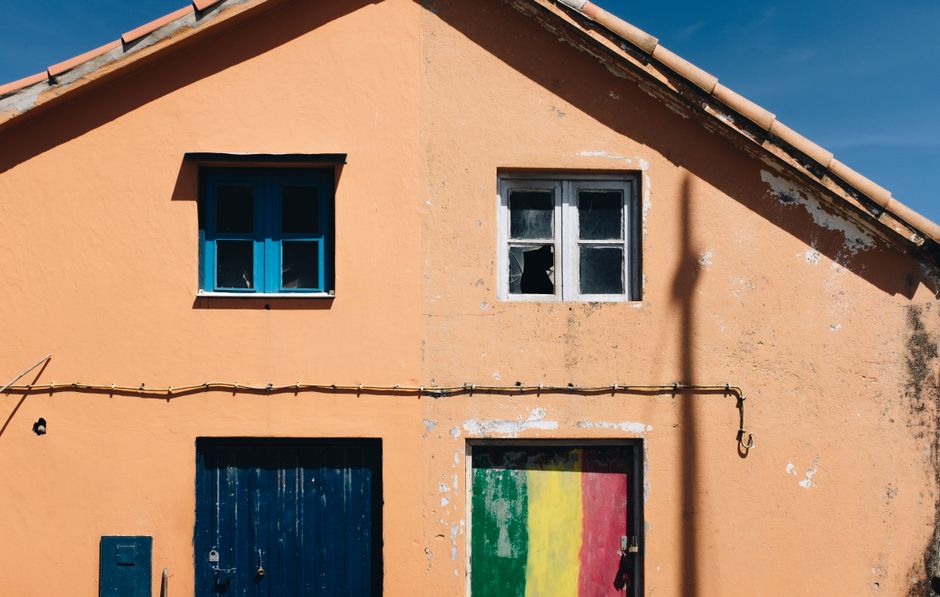
Two walls that look equally sound from the driveway can be in very different shape once a painter runs a thumb along the stucco and finds one of them chalking. A yearly walk around is the cheapest paint work on a house in Carlsbad, CA, because it finds a failing spot while it is still a patch and not a repaint, as the notes at painting carlsbad ca ied africa describe.
Start at the ground and work up
Begin with the lowest courses of stucco, where irrigation overspray and splash from the lawn do the most damage. Look for darkened bands, green film and any place where the topcoat has gone soft or powdery. Press a fingernail into the paint at the bottom of a wall. Sound acrylic resists the nail. Paint that has lost its binder marks easily and leaves dust on the skin.
Rub the sun side for chalk
Most Carlsbad homes get long days of sun on the south and west walls, and that is where the finish thins first. Wipe a dark cloth across the wall. A heavy white smear means the latex film is breaking down on the surface. Heavy chalk needs a primer or sealer coat before any new paint, or the new coat will not hold.
Check every joint and edge
Water enters at joints, so the inspection follows them. Walk the window trim, the fascia ends, the garage door casing and the line where stucco meets wood. Cracked caulk shows a thin dark gap or a lifted edge. Hairline stucco cracks take patching with elastomeric filler, and spackle belongs indoors, since it will not survive winter rain.
Look up at the eaves
Eaves and fascia on 1950s cottages in Olde Carlsbad and 1960s ranch homes near Calavera Hills take weather from above and below. Peeling usually starts on the underside edge of a board and on the end grain. Probe any dark spot with the putty knife. Wood that gives under the blade is rotting and needs replacement, because paint over soft wood only hides the problem for a season.
Check the sills and the south faces of doors
Window sills sit nearly flat, so water lingers on them. Look for bubbles, wrinkled enamel and bare grey wood. Front doors facing the sun lose sheen and crack along the panel edges first. A door with a split in the paint film at the bottom rail has already taken on water and will keep failing there until it is sanded back and sealed.
Write down what you find
Mark each problem on a rough sketch of the house, with the wall side and a short note, then photograph it. Check the same spots next year to see how fast they are moving.